Cerutty Training Method
Percy Cerutty’s “Stotan” training method emphasizes psychological resilience alongside physical fitness, using uncontrolled terrain, sand dunes, and voluntary hardship to build unshakeable confidence. His approach values mental toughness and identity formation over pure physiological metrics.
The Philosophy: Stotan Training
Percy Cerutty coached Herb Elliott to Olympic dominance with an unconventional philosophy: Stotan, a blend of Stoic and Spartan thinking. The core belief is that modern comfort makes athletes fragile. Great runners are resilient—toughness is trained deliberately, not hoped for on race day.
Cerutty believed that when athletes hurt with 800 meters to go in a championship race, physiology matters—but psychology decides the outcome. GPS cannot measure courage; heart rate cannot quantify confidence. Those come from experience enduring voluntary hardship.
1. Building Hard Athletes Through Discomfort
Unlike The Lydiard Effect periodization, Cerutty rejected sanitized training. He believed athletes couldn’t develop resilient racers in perfectly controlled environments.
Key Insight: Athletes who perform best in late-season chaos (cold, wet, windy conditions) aren’t those who trained exclusively on tracks with precise splits. They’re those who learned early that discomfort is normal and survivable.
Practical Application: Once weekly or bi-weekly, schedule an “Old School” session:
– No watches
– No phones
– No earbuds
– No track
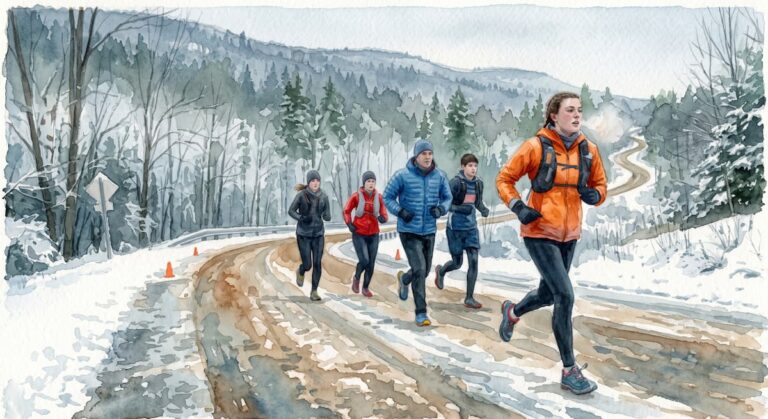
Find the hilliest, muddiest terrain available and run hard by effort alone. The goal isn’t pace accuracy; it’s psychological durability and teaching athletes they can adapt when conditions aren’t perfect.
2. The Sand Dunes of Portsea: Strength Before Speed
Cerutty’s most famous training tool was the 60-foot sand dune at Portsea, Australia. He believed two things most coaches ignored: (1) Strength is foundational, and (2) Pain is trainable.
Running on sand forced powerful force production through full range of motion. The unstable surface strengthened stabilizers that track running never touches—resistance training without weights. Dune repeats combined muscular fatigue, cardiovascular stress, and psychological pressure. Athletes learned to stay composed when everything hurts.
High School Translation
You don’t need a sand dune. Strength still precedes speed.
Hill Sprints (Early Base Phase):
– 6–8% grade, 60–80 meters
– 6–8 reps at 90–95% effort
– Full walk-down recovery
– Focus: Hip drive, quick powerful steps, posture under fatigue
These are neuromuscular power work, not aerobic hill repeats. Cerutty understood—long before research confirmed—that economy improves when athletes learn to apply force efficiently.
3. The Animal Model: Teaching Athletes How to Move
Cerutty studied animals (horses, lions) and emphasized relaxed power and efficient posture.
Three Stotan Movement Cues:
1. High Hips: Avoid sitting as fatigue sets in
2. Pawing Action: Pull the ground backward; don’t slap it
3. Relaxed Upper Body: Tension bleeds speed
Coaching Tip: Add animal movements (bear crawls, frog hops) to warm-ups to reinforce core-driven movement and coordination without over-coaching mechanics.
4. Fueling the Athlete: Nutrition as Toughness
Cerutty emphasized unprocessed foods long before “clean eating” was a trend. He believed athletes couldn’t recover or stay healthy on refined junk.
Keep It Simple:
– Prioritize foods that spoil (fruits, vegetables, nuts)
– Minimize refined sugars and ultra-processed snacks
For high school athletes, this isn’t about perfection—it’s about reducing illness, improving recovery, and staying consistent during season.
5. Strength Training: Why Cerutty Ignored the Fear
In Cerutty’s era, coaches feared lifting would slow runners. He disagreed, and time proved him right.
Simple, Effective Strength (2× Weekly):
– Trap Bar Deadlift: 3×5 (explosive intent)
– Box Jumps: 3×8
– Single-Leg RDLs: 3×10
– Medicine Ball Slams: 3×10
The goal isn’t hypertrophy; it’s force production and injury resistance.
6. Coaching Identity, Not Just Fitness
This is Cerutty’s lasting lesson. He didn’t just train bodies—he shaped how athletes saw themselves. That distinction separates programs that develop racers from programs that develop competitors.
The Question: Are you building athletes who believe they can suffer longer than the field? Because:
– GPS can’t measure courage
– Heart rate can’t quantify confidence
– Load management doesn’t create identity
Those come from experience.
Practical Application Framework
Train the Person: Talk openly about resilience and responsibility. Ask athletes who they want to be when things get hard.
Schedule Controlled Chaos: Once every two weeks, remove structure. Let effort guide the session.
Develop Power: Include sprints, jumps, and throws. Distance runners still need fast muscles.
The Dunes Are Everywhere
You don’t need Australia. The dunes are:
– February hill days in the cold
– Early-morning lifts when it would be easier to sleep
– The last rep when legs are gone and excuses are loud
See Also
- High School Cross Country Training Hub
- Building a Culture of Excellence
- Beyond Tempo Runs – Kenyan Diagonals
Related Blog Post
Read the full post: Percy Cerutty’s Stotan Training Method: Beyond Data-Driven Running →