

Lydiard Lacing: Fix Top-of-Foot Pain in Running Shoes
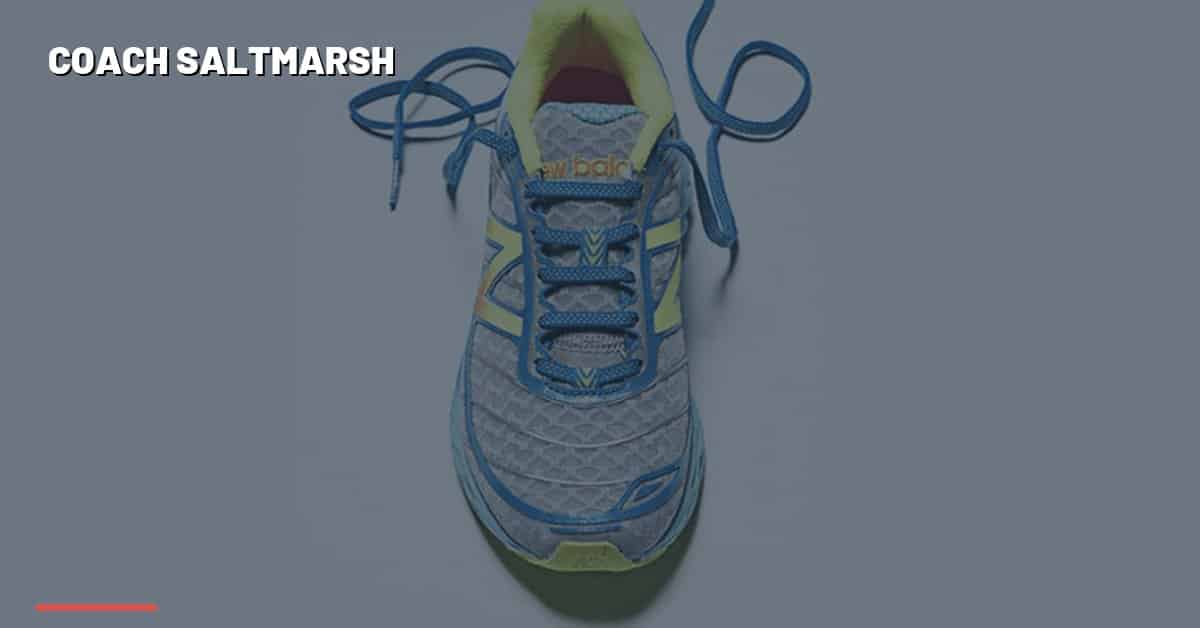
Who Should Use Lydiard Lacing?
This technique is ideal for runners with high arches, those prone to dorsal (top of foot) pain, or athletes in a high-volume training block where foot swelling is common.
Coach Arthur Lydiard was revolutionary in his approach to training middle distance and distance runners. His Training Pyramid is still the model most often used by distance coaches today and greatly influenced both Jack Daniels, Joe Vigil and others. But, did you know he also perfected a way of lacing shoes to relieve pressure on the top of the foot? This technique is known as Lydiard lacing and it’s quite easy to do.
Lydiard Lacing
Incorrect lacing seems minor, but it can restrict the foot’s natural movement and cause extensor tendonitis (top of foot pain). For developing athletes, managing these small injury risks is a critical part of coaching.
Young runners, particularly those going through growth spurts, often have changing foot volumes and biomechanics. Using Lydiard lacing is a simple, non-invasive way to protect the foot without altering a runner’s gait, allowing them to stay healthy and consistent in their training. Coaches should also be aware of when nagging issues like these cross the line into overtraining territory.
Coaching developing athletes?
Protecting young runners during growth spurts requires more than just good shoe lacing. You need a training framework that balances aerobic development with long-term health. Stop guessing and use a proven structure.
Lydiard’s runners were famous for their massive aerobic volume, often logging 100-mile weeks during the base phase. Building this kind of aerobic engine is essential for distance success, but that volume comes with risks. When you increase mileage-whether you are a high schooler building a summer base or an elite athlete-your feet swell. Pairing proper footwear strategies with the right shoe selection can also help prevent shin splints during these high-volume phases. Keeping the majority of that volume in Zone 2 is also critical for avoiding the burnout that plagues so many high school programs.
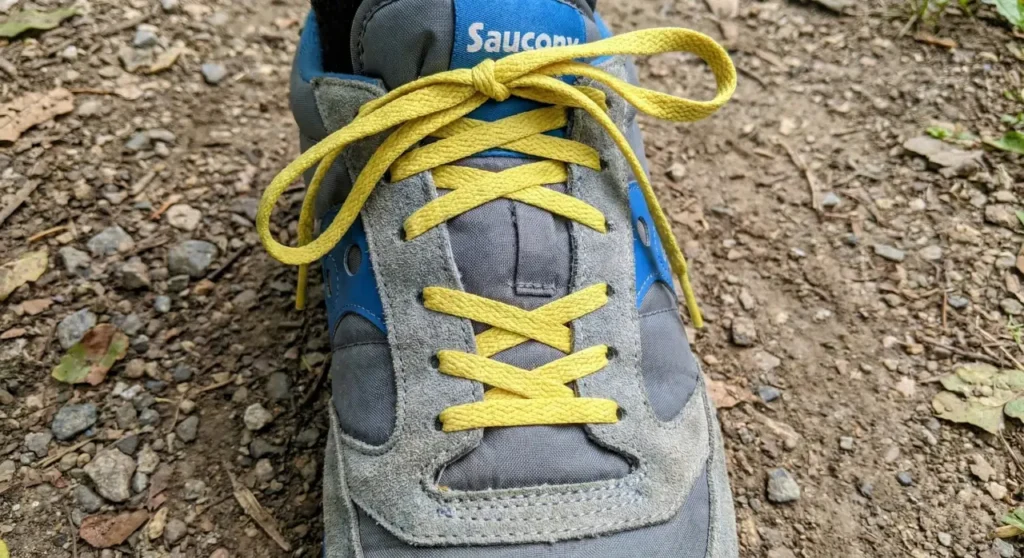
This lacing technique allows the shoe to expand with your foot, preventing the ‘strangulation’ of the dorsal tendons that often forces runners to take unplanned days off. Simple adjustments like this are part of the bigger picture of keeping high school runners healthy through their first year of college and beyond. Pairing these preventive habits with a solid strength training protocol further reduces injury risk across the season.
Coach’s Library
Want the full reference breakdown? Lydiard Lacing Technique →