
Mike Scannell Coaching Philosophy

Mike Scannell’s “Mechanic” coaching philosophy emphasizes athlete agency and autonomy rather than coach-directed systems. The coach listens, assesses, and facilitates—functioning like a mechanic who services the athlete (driver), not a dictator controlling performance.


The Problem: Robots, Not Runners

Most coaches read the books (Daniels, Lydiard, etc.) and build “perfect” periodized plans packed with proven methodologies. Then they expect teenagers to execute like clockwork.

This is the danger of being information-rich and experientially poor.

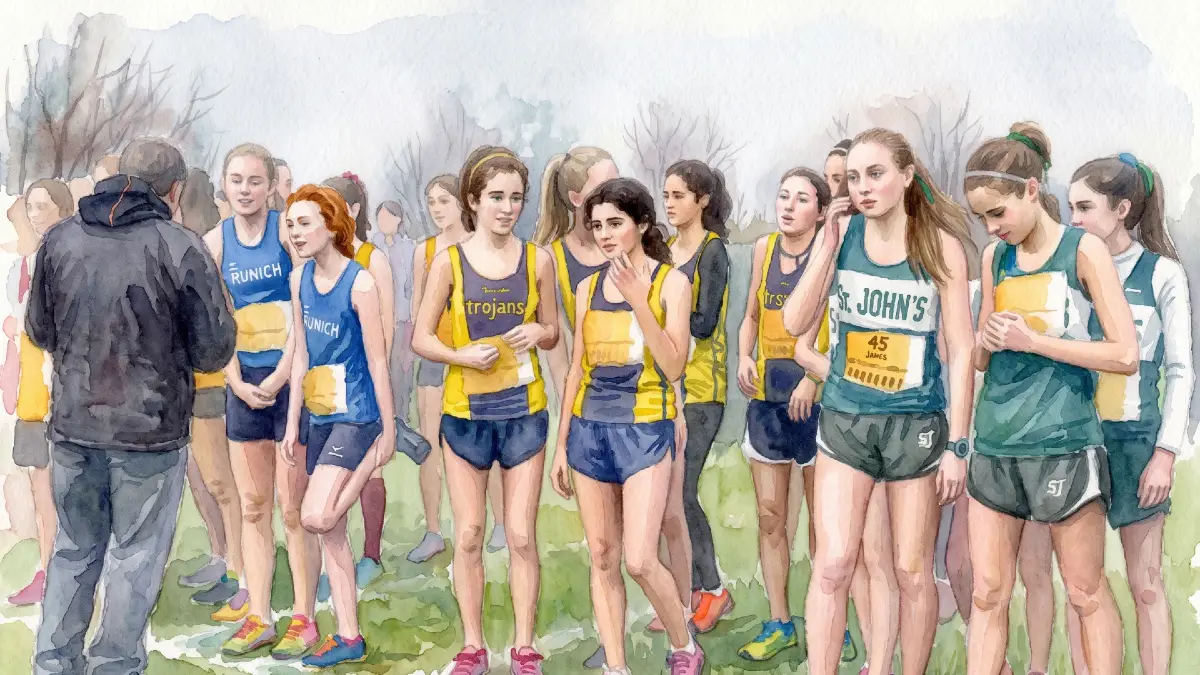
Teenagers aren’t predictable. They resist being told what to do. They’re taking AP classes, working part-time, running on five hours of sleep. Your spreadsheet doesn’t account for the chemistry test failure, the friend drama at lunch, or the fact that they’re “cooked” before warm-up even starts.

The Result: Systems often “chew kids up and spit them out” because they value the plan over the person. When kids feel interchangeable, they quit.

The Solution: The “Mechanic” Philosophy

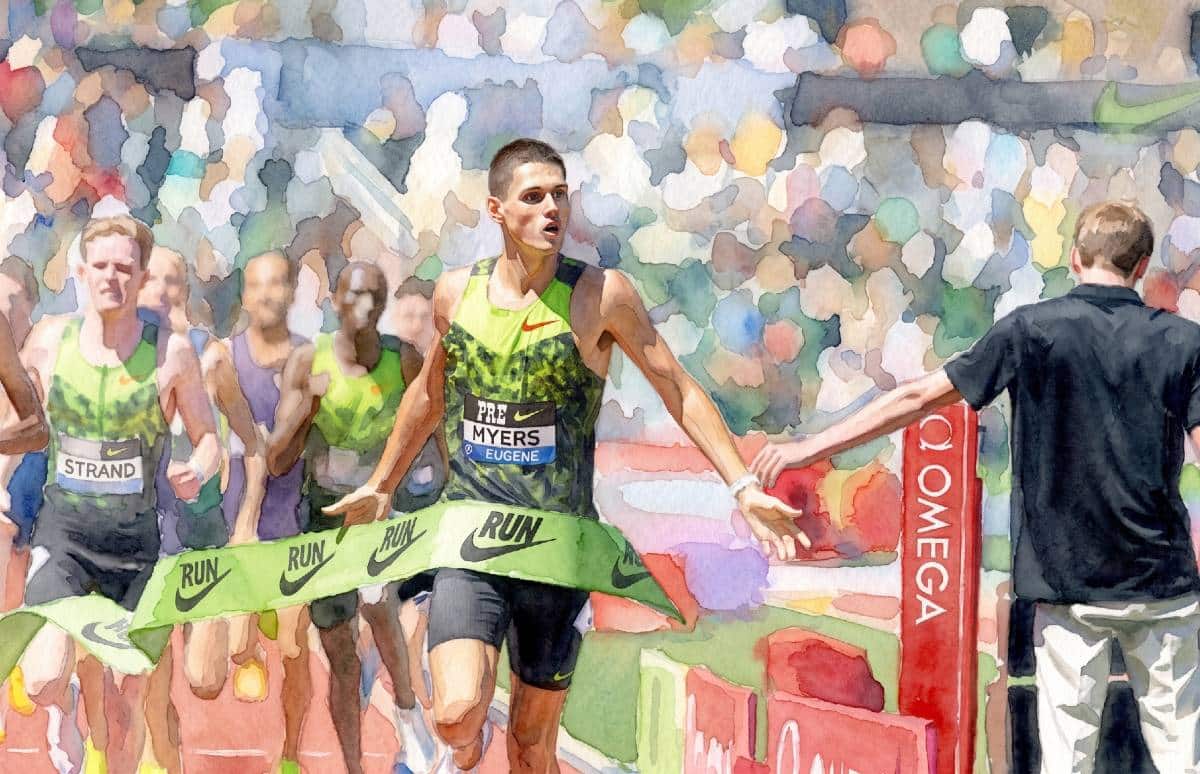
When Mike Scannell coached Grant Fisher to two Olympic bronze medals, he didn’t impose a training dictatorship. He told Grant: “I will help, but you will drive. You’re the race car driver; I’m just the mechanic.”

Giving athletes agency doesn’t mean anarchy. It means creating a collaborative environment where you coach with athletes, not at them. The mechanism: three transformative questions.

Question One: “How are you feeling today—really?”

This is assessment, not small talk. Scannell uses high-tech tools like lactate analyzers when available; most coaches don’t have access. But effective coaching uses observation.

The Science: Look at an athlete’s body. Is their form breaking down? Are they irritable? Shoulders slumped? Eyes dull? Do they look beaten up before they should be?

The Art: Ask about sleep and stress. If an athlete is sick or over-stressed, their “numbers” won’t match the plan. Scannell emphasizes: if an athlete isn’t “absorbing the training,” you’re just digging a hole.

Question Two: “Do you sign off on this plan?”

Scannell doesn’t hand athletes a workout—he sits down to discuss the philosophy behind the volume and intensity. Every level of athlete must believe the work gets them to their goal.

The Process: Show them the “why.” Ask: “Does this make sense? Are you on board?” When an athlete signs off on a plan, they take ownership. They’re executing strategy they helped build, not just following orders.

Question Three: “How can I mirror your motivation?”

Not every kid wants to be Grant Fisher. Some want to win States; others want to be part of a team.

The Lesson: Mirror the athlete’s motivation. Your goals for an athlete cannot, and will not, change the goals in that athlete’s head.

The Application:
– If a runner asks for more work or recovery tips: give 100% expertise
– If a runner wants to participate: show them what being a good participant looks like
Never set limits on kids. High school kids don’t know what they can’t do until you tell them they can’t

Practical Strategies for Coaches

1. Adjust Immediately, Not Later

Don’t wait for the next day to fix a bad workout. If it’s 20 mph wind or 90-degree heat, adjust the pace or rest within seconds. If the engine is overheating, pull the car over—don’t tell the driver to finish the lap and hope.

2. The 30-Second Check-In

Pull an athlete aside for 30 seconds. Ask: “What do you need from me right now to help you perform your best?”

You don’t need a PhD or lactate meter to be a great coach. Just be present. We don’t “get” fast runners; we make them by fostering their internal motivation.

3. Be a Listener First

Ask. Listen. Respond. That’s how you develop not just faster runners, but better humans.

The Mechanic vs. The Dictator

Dictator Coach Mechanic Coach
“Here’s the plan. Execute it.” “Here’s my proposal. What do you think?”
Inflexible when conditions change Adjusts in real-time based on observation
Assumes athletes understand the “why” Discusses philosophy and rationale openly
Values the system over the person Values the person within the system
Athletes quit because they feel like parts Athletes own their training and stay engaged

See Also