



Cross Country Postseason Training: What to Do Between Championship Meets
Derryfield Park on October 31. Hopkinton Fairgrounds on November 7. New Englands on November 14. That is the 2026 New…

More than 130 articles on training, racing and running a program, from 25 years of coaching high school distance runners. New here? Start with one of these guides.
Want a schedule instead of an article? Get the free 12-week middle school plan, or see the full season plans.
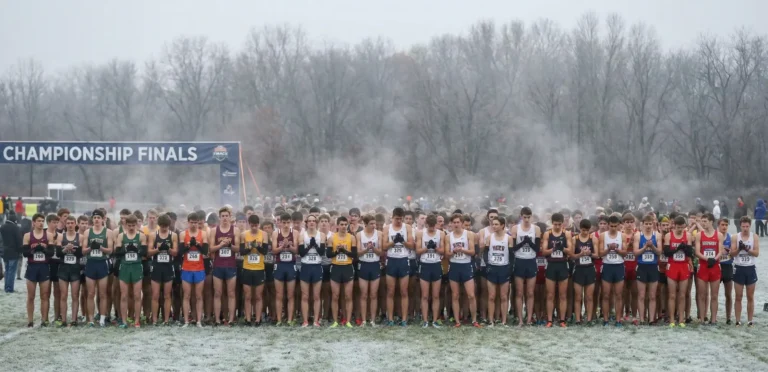
Derryfield Park on October 31. Hopkinton Fairgrounds on November 7. New Englands on November 14. That is the 2026 New…

Derryfield Park. New England Championships. 2018. We brought a young team to Manchester that November. Five sophomores led the squad….
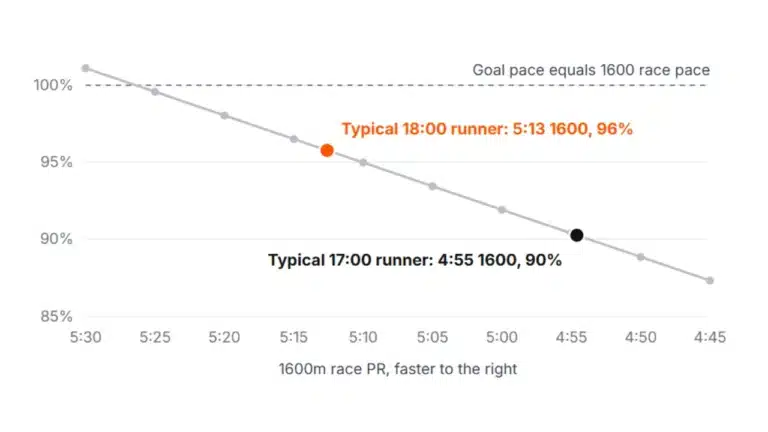
You have five guys under 18:00. None of them will go out at sub-17 5K pace. Every team ahead of…
The short version: peaking for an XC championship. Last hard hill or VO2 session: 10 to 12 days before the…

Katherine Tamminen was working as a sport psychology consultant at a hockey academy when she got into a conversation with…

Our girls ran this workout in four pace groups. I’m sharing full splits from three of our runners, each assigned…

Every cross country program has a workout it trusts. Ours is a threshold session built on long reps, short steady…
Elite meets and paid club coaching are pulling the best runners off the school calendar. Here is what that does…
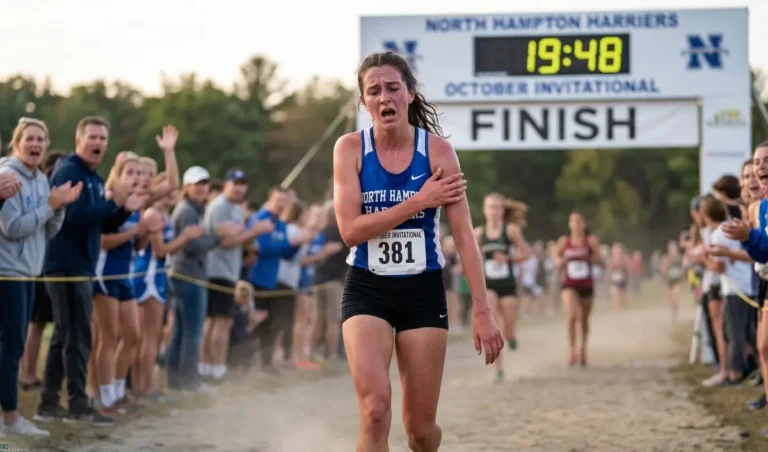
Every season I have the same Tuesday. It lands in the third or fourth week of September. The workout is…

Susie ran 24:34 as a freshman. That was her personal best, set in October, and it put her in the…

Seven to ten days with no running, then one week easy. What the break is for, and the letter to send families the week the season ends.

Wind chill thresholds for high school running practice, why the posted number understates runner meets, and a policy to send your athletic director.